Conflict
Iran Attacked Two American Destroyers. The Silence After Is the Real Story.
June 5, 2026·2 min read
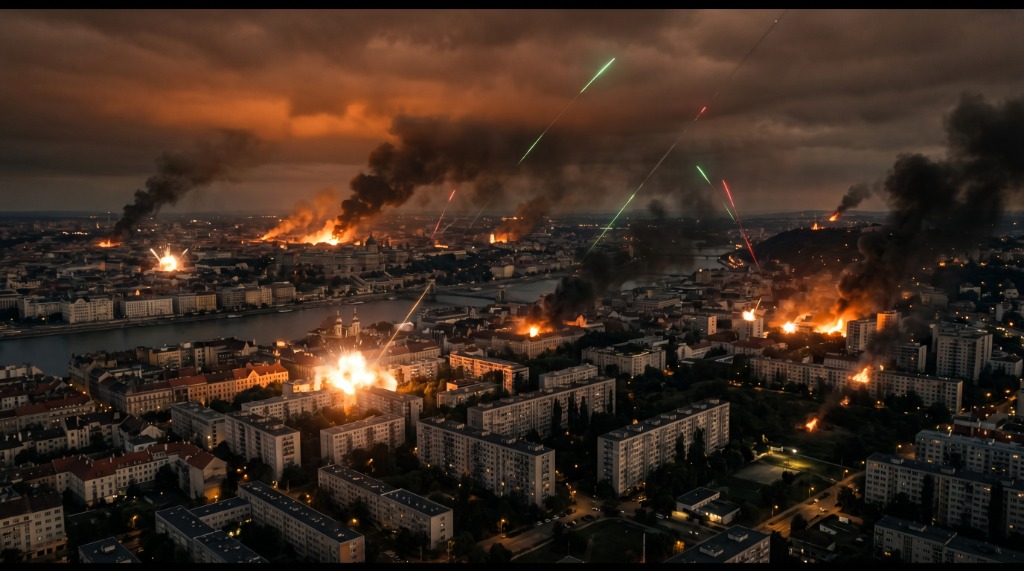
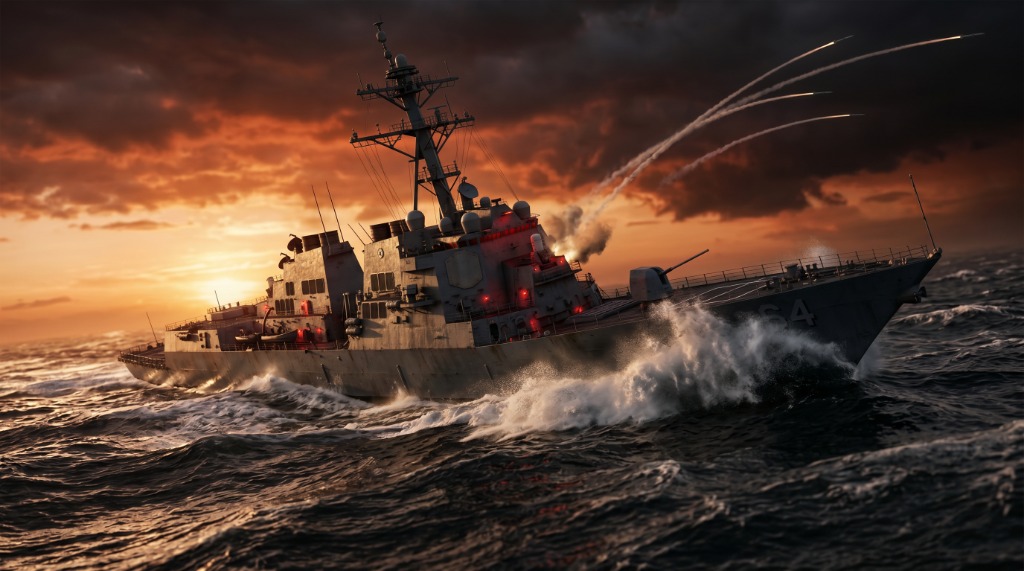
Iran just fired anti-ship missiles at two American destroyers in the Gulf of Oman, and Washington's response will define the credibility of U.S. naval power for the next decade.
Details of the Iran Attack on USS Truxtun and USS Mason
On June 5, 2026, Iran's regular Navy launched Qadir anti-ship cruise missiles and Shahed Danesh loitering munitions at USS Truxtun (DDG-103) and USS Mason (DDG-87) operating in international waters. Tehran claimed the attack was a defensive response to American harassment of Iranian oil tankers and asserted that U.S. ships were forced to retreat toward the Indian Ocean. CENTCOM denied everything, calling Iran's claims deliberate psychological warfare. That same day, the U.S.-brokered Lebanon ceasefire collapsed completely. Hezbollah's Secretary-General Naim Qassem rejected withdrawal terms as humiliating, and Israel confirmed it is permanently holding its Lebanese buffer zone, including the strategically positioned Beaufort Castle, with no plan to withdraw.
Key Fact
The June 5 attack was carried out by Iran's conventional Navy, not the Islamic Revolutionary Guard Corps. The IRGC handles most Iranian provocations at sea. Deploying regular naval forces against Aegis-equipped American destroyers signals that Tehran is prepared to escalate beyond proxy harassment into direct military confrontation.

The Nuclear Deadlock Driving Iran's Military Escalation
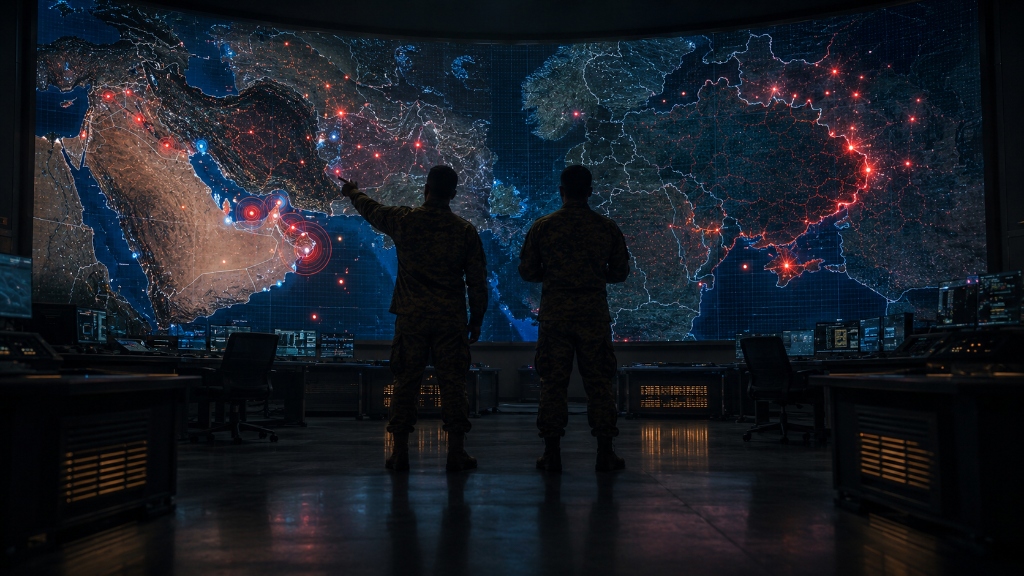
This is direct fallout from Operation Epic Fury, the February 2026 joint U.S.-Israel campaign that killed Supreme Leader Khamenei. His replacement adopted a maximalist survival posture: lock the Strait of Hormuz, accelerate uranium enrichment, and order proxies to concede nothing. The IAEA confirmed Iran blocked international inspectors for nearly a year, leaving near-weapons-grade uranium stockpiles entirely unaccounted for. Nuclear back-channel talks in Pakistan are paralyzed. Trump says a deal is days away. Tehran says no progress has been made.

Impact on NATO Air Defense and Global Security
Every Patriot interceptor expended in the Middle East is one fewer available for Europe. The U.S. burned through hundreds since February. Oil is locked at $100 a barrel. The UN World Food Programme reports 45 million people pushed into acute food insecurity, creating direct migration pressure toward European borders. Congress passed a razor-thin vote limiting Trump's executive war powers over Iran. Beijing and Moscow are both reading that number carefully.
45M
People pushed into acute food insecurity by Middle East conflict and $100 oil, per the UN World Food Programme
U.S. House Vote: Limiting Trump's Iran War Powers
The resolution passed by just 7 votes — June 2026
Why the US Navy Response in the Persian Gulf Matters
Iran targeted Aegis-equipped American destroyers with precision anti-ship missiles and faced no kinetic response. If that calculus holds, every state with those weapons just learned that U.S. naval deterrence in the Gulf has a ceiling. The Middle East is consuming the interceptors and carrier groups NATO cannot afford to lose anywhere else.