Alexander Never Conquered India. Here Is What Actually Stopped Him.
Ancient

Alexander Never Conquered India. Here Is What Actually Stopped Him.

September 2, 2026·11 min read
Two stories are told about what happened when Alexander of Macedon reached the Punjab, and both of them are wrong.
The first is the one taught in Europe and America for two centuries. Alexander swept east, smashed the Persian empire, crossed the Hindu Kush, defeated the Indian king Porus at the Hydaspes, and added India to a list of conquests that stretched from the Aegean to the edge of the world. Undefeated. Unstoppable. He simply chose to stop.

The second is the one you will find on a thousand Indian websites. Porus beat him. The Greeks lied. Alexander was mauled so badly on the Jhelum that he fled the subcontinent and covered it up with propaganda.

Neither survives contact with the evidence. Alexander won at the Hydaspes, and the Indian record does him more credit than the denial ever could. Because here is what the sources actually show: Alexander won every single engagement he fought on Indian soil, and he still lost India. He was the most successful commander in the ancient world, and the subcontinent is the only place where his entire theory of conquest collapsed. Twenty years after he stood on the Beas, a Greek king would be paying an Indian emperor for the right to go home.

That story is better than the myth. It is also true.

The European Version
vs
The Internet Indian Version

Why the Sources Deserve Suspicion

Start with why Indians are right to be suspicious of the record, because that suspicion is the honest part of the argument.

Not one contemporary Indian account of Alexander's invasion survives. Not one. Everything the world knows about the Hydaspes comes from Greeks and Romans, and none of them were there. Arrian, Diodorus Siculus, Quintus Curtius Rufus, Plutarch and Justin wrote between three hundred and four hundred and fifty years after the event, and they built their accounts on earlier books that no longer exist, written by Ptolemy, Nearchus, Aristobulus and Callisthenes.
Key Fact

Every one of those eyewitness authors was on Alexander's payroll. Ptolemy went on to make himself pharaoh of Egypt using Alexander's legend as his political capital. This is not neutral testimony. It is the winner's staff writing the winner's history, and then Roman authors editing it for drama four centuries later.

So when an Indian reader says the numbers look inflated and the tone reads like public relations, that reader is doing better history than the average Western textbook. The casualty figures prove the point. Diodorus reports around 12,000 Indian dead. Arrian's account of Macedonian losses is so low it is not credible for a battle of that scale, and other versions put the Greek dead near a thousand. The sources cannot agree with each other, which means at least some of them are wrong.

The same instinct is worth applying to any campaign where only one side left paperwork. It is exactly the reason the Hessians got written into American memory as mercenaries rather than as what the records show them to be.


What the Evidence Still Proves

What the sources never disagree about is the outcome. And this is where the "Porus won" theory falls apart.

Alexander struck victory coinage showing a horseman attacking a war elephant. He founded two cities on the battlefield, Bucephala and Nicaea, and Greek settlement in the region continued for generations afterward. Tens of thousands of surviving soldiers would have known if their king had invented a triumph. Porus himself lived on for years as a ruler and never once contradicted the Greek account.
As for Marshal Zhukov supposedly telling cadets at the Indian Military Academy in 1957 that Alexander suffered worse in India than Napoleon did in Russia, that quote has been copied across the internet for decades without a single transcript, citation, or primary record behind it. It is folklore wearing a uniform.

The Hydaspes Was Won by Weather and Nerve

The battle itself, fought in May of 326 BC, was not won by numbers.

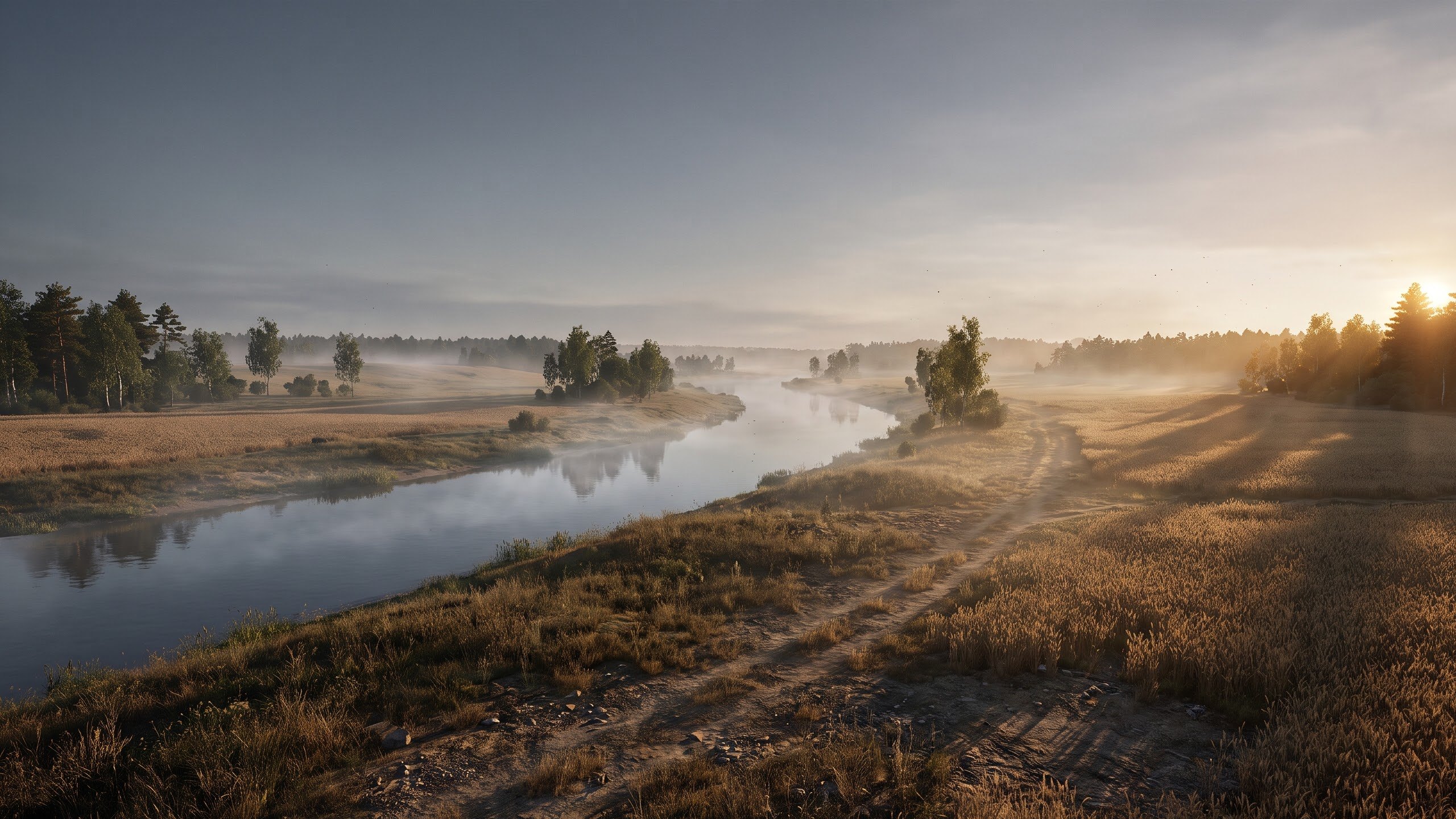
Porus held the far bank of the Hydaspes, the river now called the Jhelum, in what is today Pakistani Punjab. The monsoon had swollen it into a brown torrent. Porus only had to sit there. Every day Alexander waited was a day the water stayed high and the Greeks stayed hungry.
ArmReported strengthWhat it did on the day
Infantry20,000 to 50,000Held, then was disordered by its own elephants
CavalryOver 2,000Committed piecemeal, defeated in detail
ChariotsMore than 300Bogged in the mud, became obstacles
War elephantsAround 200Panicked in the press and trampled Indian ranks

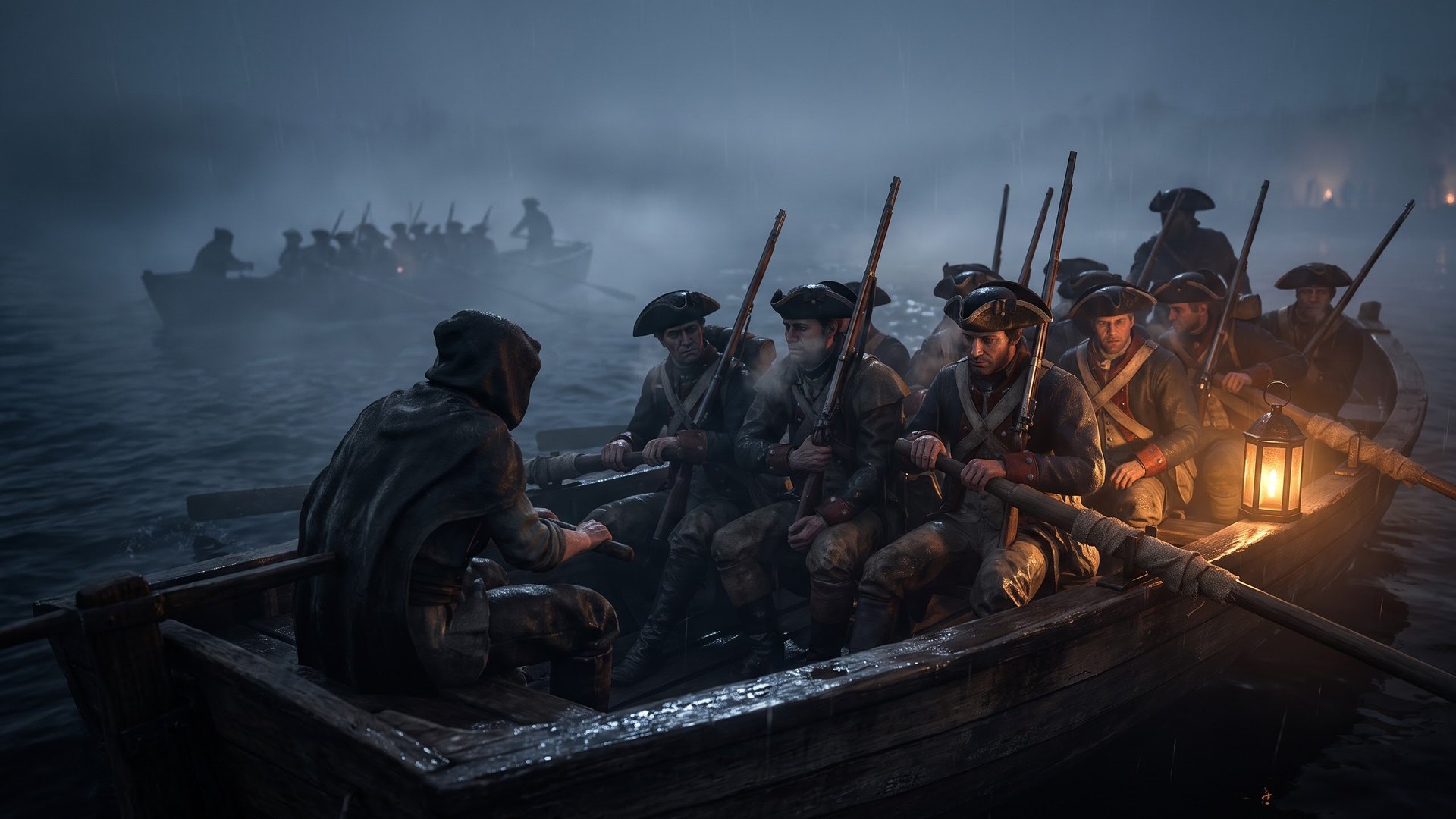
So Alexander did not wait. He spent weeks marching detachments up and down the bank at night, making noise, going nowhere, teaching the Indian scouts to ignore movement. Then, on a night of heavy thunder, he took roughly eleven thousand men eighteen miles upstream to a wooded bend, stuffed leather tents with straw to make rafts, and crossed in the storm. The thunder covered the sound of the oars. By the time Porus understood what had happened, a Macedonian army was on his side of the river and behind his flank.

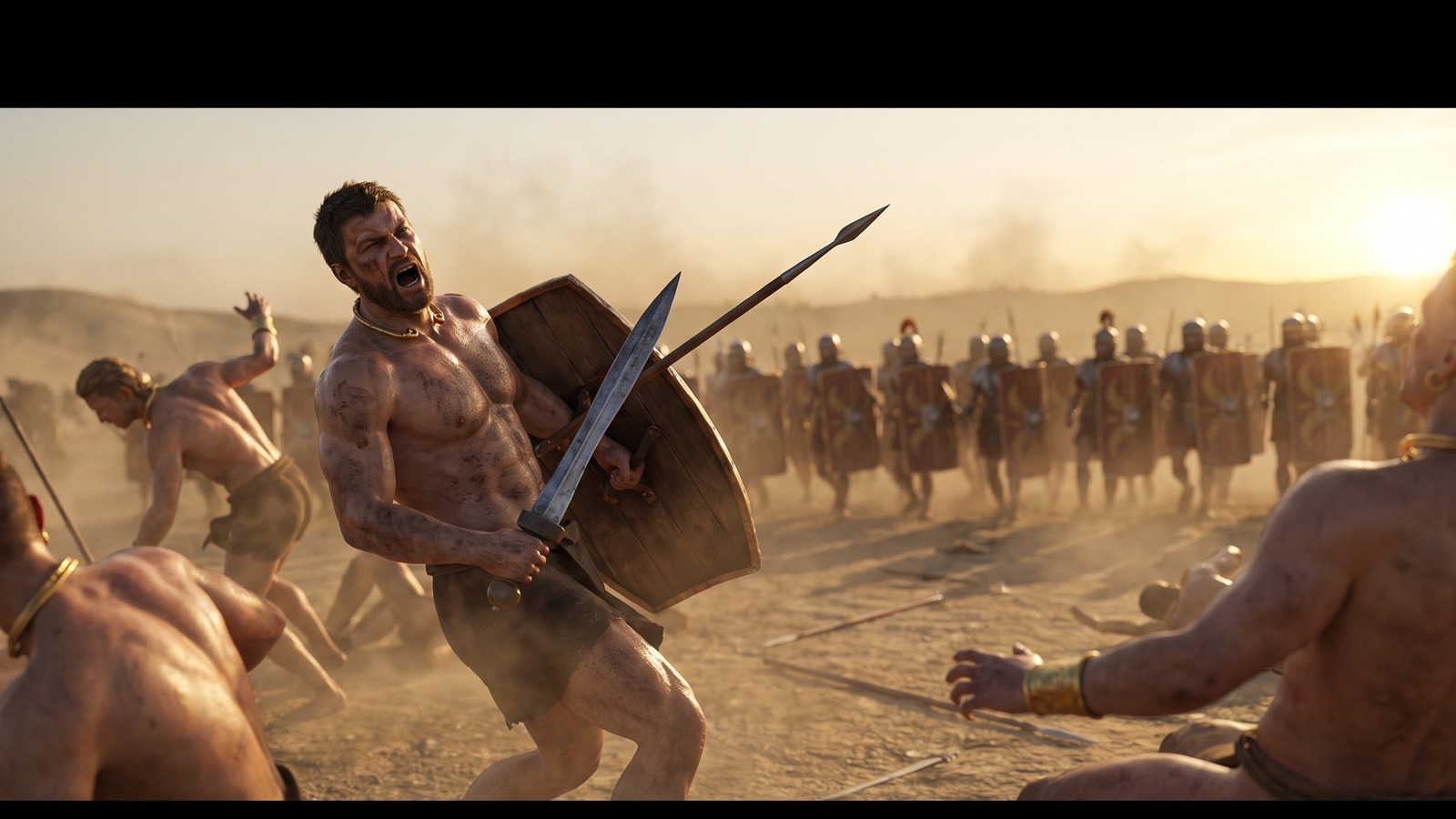
The Indians fought hard and were beaten by ground, not courage. The rain-soaked field turned to slurry. Porus's chariots bogged down and became obstacles for his own infantry. His elephants, wounded and panicking in the press, trampled as many of his men as theirs. Porus stayed on the field long after the day was lost, on his elephant, wounded in the shoulder, and only came in when he could no longer stand.

Alexander asked him how he wished to be treated.

As a king.

Porus, as recorded in every surviving account. Asked if he wanted to add anything, he said the words contained everything.


Why Alexander Gave Porus His Kingdom Back

Then came the decision that started the whole controversy, and it deserves an honest hearing. Alexander gave Porus his kingdom back. He kept him as a ruler under Macedonian authority and enlarged his territory with the lands of neighbouring tribes.

That is genuinely strange behaviour toward a defeated enemy, and it is the single strongest card the "Porus won" argument holds. But it is not evidence of defeat. It is evidence of arithmetic.

Alexander was over three thousand kilometres from Macedonia with an army he could not replace, in a country whose logistics he did not understand, and he needed a loyal local king holding the Punjab behind him far more than he needed a corpse and a rebellion. He had already done exactly this across Persia, leaving defeated satraps in place. Porus was not pardoned because he had won. He was kept because Alexander could not afford to occupy the ground himself.

That is the same wall every long-range conqueror eventually hits. It is the wall that destroyed Napoleon's army in Russia in 1812, where the killer was never the winter but the distance between an army and its food.


What Actually Stopped Him Was Information

Through the summer of 326 BC he pushed east across the Punjab rivers, and as he went the reports from the country ahead got worse. Beyond the next river lay the Ganges plain and the empire of Magadha under the Nanda dynasty. Plutarch records the figures that reached the Macedonian camp: eighty thousand horsemen, two hundred thousand foot, eight thousand chariots, and six thousand fighting elephants.

Whatever the true number, the ratio mattered more than the total.

War elephants, faced versus reported
Around 200 elephants nearly broke the Macedonian line at the Hydaspes. This is what the scouts said was waiting past the Ganges.
30x
more war elephants than the two hundred that had almost cost Alexander the only battle he nearly lost
They were also finished. These soldiers had left Greece in 334 BC. Eight years of marching and siege had carried them through Anatolia, Syria, Egypt, Mesopotamia, Persia, Bactria and the Hindu Kush. Diodorus records seventy days of continuous rain in the Punjab. Their leather rotted, their iron rusted, their food spoiled, and snakes drove them out of their bedding. The Macedonian phalanx that reached the river Hyphasis, the Beas, was a group of middle-aged men in disintegrating equipment who had not seen their homes since their twenties.

At the Beas, They Stopped Walking

It was not a riot. It was worse than that for Alexander, because it was calm. The army simply stood in silence when he addressed them.

An officer named Coenus, one of his most senior and trusted commanders, spoke for the men. He reminded Alexander of how many Greeks and Macedonians were dead, wounded, or left behind in garrisons across half the world. He said plainly that the army was worn out and wanted to go home. And he warned him not to gamble on his luck holding, because if fortune turned this far from home there would be nothing left to save the army with. Arrian says the ranks wept when he finished.

Alexander threatened to go on alone with whoever would follow. Nobody moved. He shut himself in his tent for three days waiting for them to break, and they did not break. In the end he came out and announced that the omens for crossing were unfavourable, which gave everyone a way to keep their dignity, and the camp erupted in relief.

He ordered twelve enormous altars raised on the bank to the Olympian gods. And Plutarch adds a detail that says everything about the man: he had oversized armour made, and horse mangers built too tall, and bits made too heavy, and left them scattered across the abandoned camp so that whoever came after would believe giants had stood there.

That is where the empire stopped. Not at a battlefield. At a riverbank in Punjab, in the rain, in front of an army that had run out of belief.

The far bank of the Beas. The Macedonian army refused to cross it.

Getting Out Cost More Than Staying

Turning south down the Indus, Alexander ran into the Mallian confederacy and stormed a town near modern Multan almost alone after his men hesitated on the ladders. An Indian archer put an arrow through his breastplate and into his ribs, a head Plutarch describes as three fingers broad and four long. It punctured his chest. His officers cut it out of the bone while he was still conscious, and the army was told for days that he was dead. He never fully recovered.
Then came the return march through the Gedrosian desert in 325 BC, a crossing so catastrophic that ancient writers thought Alexander had chosen it out of pride, and the column lost more people to thirst and flash floods than to any Indian army. He reached Babylon and died there in June 323 BC, not yet thirty-three.

The Real Victory Nobody Outside India Teaches

The Macedonian hold on the Punjab lasted barely a decade. The Greek satraps left behind were killed or driven out within a few years of Alexander's death, and the man who cleared them out was Chandragupta Maurya, who according to Plutarch had actually seen Alexander in person as a young man. Chandragupta destroyed the Nanda dynasty, took Magadha, and built the largest empire the subcontinent had yet seen.
Around 305 BC, Seleucus Nicator, the general who had inherited Alexander's Asian territories and the most powerful Greek ruler alive, marched east to take back what his old king had claimed.

He got nothing.

The war ended around 303 BC with Seleucus ceding Arachosia, the Paropamisadae and probably eastern Gedrosia, the regions around modern Kandahar and Kabul, to the Indian emperor, sealing it with a marriage alliance and accepting five hundred war elephants as compensation.
Key Fact

A Greek king surrendered Afghan territory to an Indian emperor and paid to end the war. Seleucus took those five hundred elephants west and used them to win the battle of Ipsus in 301 BC, which means Indian animals from an Indian treaty decided the shape of the Hellenistic world.

That is the correct answer to the question of who won in India, and it does not require anybody to lie about the Jhelum.
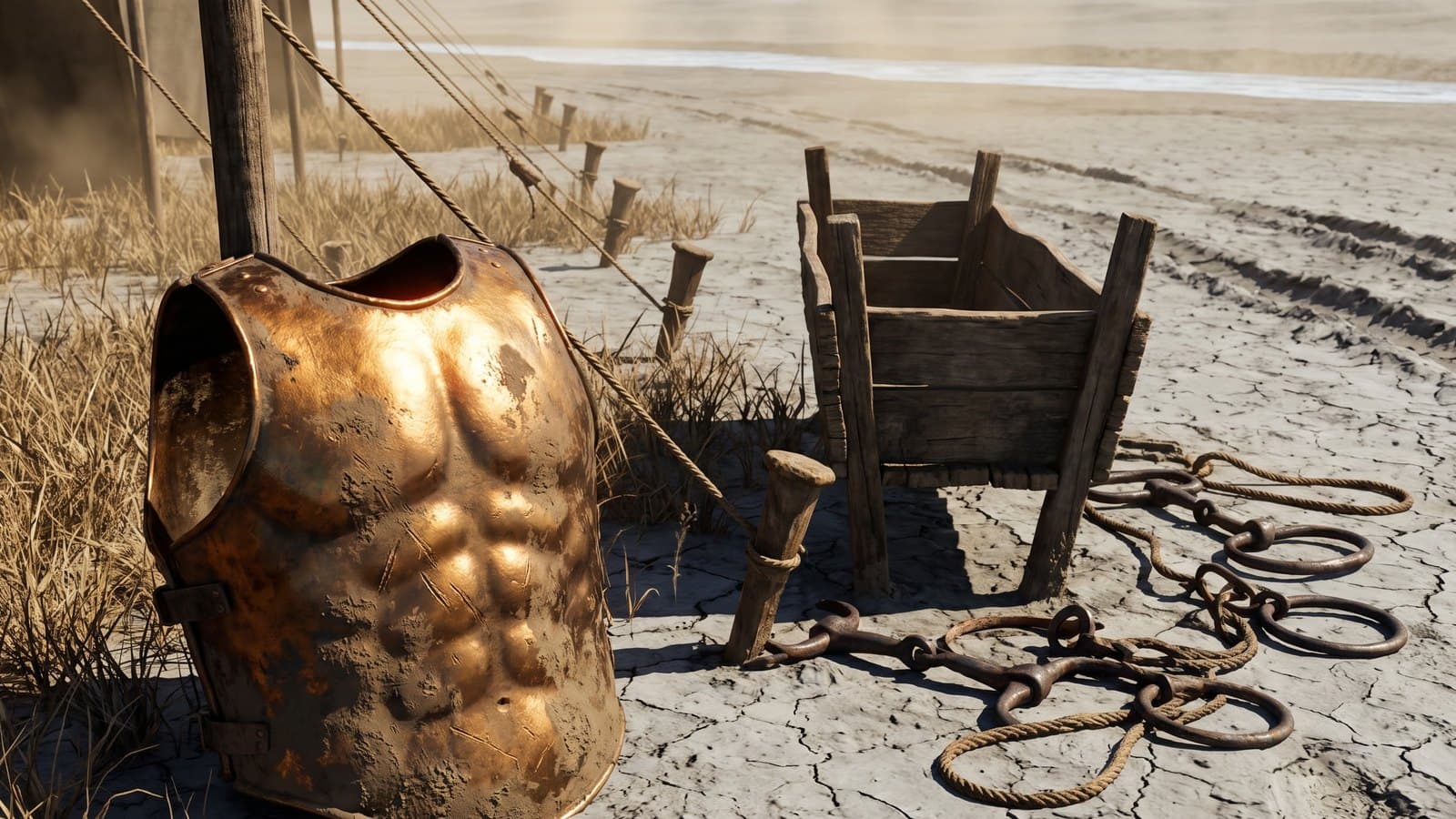
Alexander left oversized armour behind so India would think giants had come.

What Both Myths Steal

The reason this matters is that both versions take something away.

The European version turns the Indian campaign into a footnote in one Macedonian's biography, as though a subcontinent were a place you pass through. The Indian version, in trying to fix that, throws away the evidence and replaces a documented history with a wish.

Both leave the same thing on the floor: the fact that ancient India was strong enough that the greatest conqueror of the ancient world looked at what was coming, listened to an army that had never lost, and turned around. He was not beaten by a king. He was beaten by a country, its rivers, its rain, its elephants, and the size of what lay beyond the next bank.

Porus does not need to have won that battle. India won the campaign.

Sources: Arrian, "Anabasis of Alexander", Book 5; Plutarch, "Life of Alexander", chapters 60 to 63; Diodorus Siculus, "Bibliotheca Historica", Book 17; World History Encyclopedia, "Battle of Hydaspes" and "The Hyphasis Mutiny"; Britannica, "Battle of the Hydaspes"; historyofwar.org, "Seleucus Nicator's Invasion of India, c.306 to 303 BC".
Share this article

Frequently Asked

Did Alexander the Great ever conquer India?

No. He fought only in the north west of the subcontinent, in what is now Pakistani Punjab and Sindh, and never crossed the Beas into the Ganges plain. Macedonian control of the Punjab collapsed within about a decade of his death, when Chandragupta Maurya drove the Greek satraps out.

Did Porus defeat Alexander at the Hydaspes?

No. Every surviving source, hostile and friendly alike, records an Alexander victory in May 326 BC. He struck victory coinage showing a horseman attacking a war elephant, founded two cities on the battlefield, and Porus himself ruled on for years afterwards without ever contradicting the Greek account.

Why did Alexander give Porus his kingdom back?

Arithmetic, not defeat. Alexander was more than 3,000 kilometres from Macedonia with an army he could not replace and no capacity to garrison the Punjab himself. He needed a loyal local king holding the ground behind him, exactly as he had left defeated satraps in place across Persia.

What actually stopped Alexander's advance into India?

Intelligence about the Nanda empire of Magadha and the exhaustion of his own men. Plutarch records reports of 200,000 infantry, 80,000 cavalry, 8,000 chariots and 6,000 war elephants waiting beyond the Ganges. At the Beas river in 326 BC the army refused to go further, and Alexander turned back.

Who really won the contest between Greece and India?

Chandragupta Maurya. Around 305 to 303 BC, Seleucus Nicator marched east to recover Alexander's Indian claims and instead ceded Arachosia, the Paropamisadae and probably eastern Gedrosia, roughly the Kandahar and Kabul regions, sealing the peace with a marriage alliance and accepting 500 war elephants.

Is the Marshal Zhukov quote about Alexander's defeat in India real?

There is no evidence for it. The claim that Zhukov told cadets at the Indian Military Academy in 1957 that Alexander fared worse in India than Napoleon did in Russia has circulated online for decades without a transcript, citation or primary record of any kind.

Related Dispatches

The Dispatch Launches Soon

Join the waitlist and get the first issue before anyone else. Free.